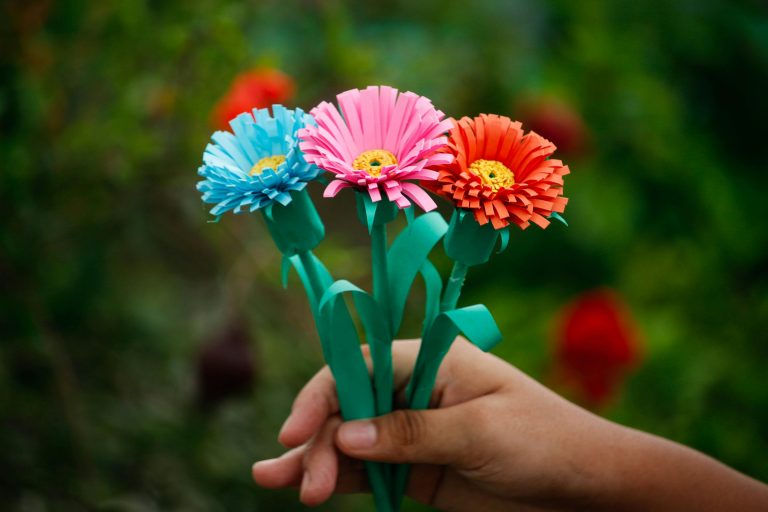
- Materials Matter: Crepe paper, floral wire, floral tape, glue, and scissors are essential for crafting realistic paper roses, with optional shading tools to enhance depth.
- Petal Shaping Is Key: Stretching, curling, and layering petals in varying sizes creates a natural, lifelike appearance.
- Step-by-Step Process Works Best: Start with the center bud, attach petals gradually, and finish with a shaped stem for the most realistic results.
- Creative Twists Elevate Realism: Using gradients, frayed edges, leaves, buds, scented sprays, or mixed paper types can make your roses stand out.
- Display and Size Flexibility: Paper roses can be arranged in bouquets, vases, wall decor, garlands, or gifts, and can be made in various sizes to suit different purposes.
- Practice and Inspiration Improve Results: Experimenting with techniques, observing real roses, and exploring tutorials helps refine your skills and creativity.
Paper flowers have come a long way from simple classroom crafts. Today, creating realistic paper roses is a fun, budget-friendly way to add elegance to your home, gifts, or events. Whether you’re a beginner or a seasoned crafter, adding some creative twists can make your paper roses look strikingly lifelike. This guide will walk you through everything you need to know, from materials to techniques, so you can make paper roses that impress.
What Materials Do You Need?
To make a realistic paper rose, having the right materials is crucial. Here’s a list of essentials:
- Crepe paper or colored cardstock – Crepe paper works best for realistic petals because it stretches and curves naturally.
- Floral wire – This acts as the stem and allows flexibility.
- Floral tape – Helps secure petals and create a natural-looking stem.
- Glue – A hot glue gun or tacky glue works well for adhering petals.
- Scissors – Sharp scissors for clean cuts.
- Optional: Watercolors or pastels to add shading for extra realism.
How to Pick the Right Paper for Realism
The type of paper you choose can make or break the look of your rose. Crepe paper is preferred because of its texture and stretchability. When selecting colors, consider layering multiple shades—such as a darker tone for the inner petals and lighter shades for the outer petals—to mimic the gradient found in natural roses.
How Many Petals Does a Real Rose Have?
Knowing this can help you craft a paper rose that looks realistic. Most roses have between 20-40 petals, depending on the type. Your paper rose doesn’t need to match this number exactly, but more petals will give a fuller, more natural look.
Step-by-Step: How to Make a Paper Rose That Looks Realistic
Follow these steps to create your lifelike paper rose:
- Prepare the petals
- Cut your crepe paper into petal shapes.
- Use varying sizes: smaller petals for the center, larger petals for the outer layers.
- Shape the petals
- Stretch the edges of each petal gently to create a curved, natural shape.
- Curl the tips slightly for a more authentic appearance.
- Create the center bud
- Roll a small piece of crepe paper tightly to form the center.
- Secure with a dab of glue.
- Attach the petals
- Start adding the smaller petals around the center bud.
- Gradually work outward with larger petals.
- Use floral tape or glue to secure each layer.
- Add the stem
- Wrap floral wire with green floral tape.
- Attach the completed rose to the wire, making adjustments for natural angles.
- Final touches
- Gently bend and shape petals to enhance realism.
- Optional: Lightly dust with pastels or watercolors for subtle shading.
Tips for Making Your Paper Roses Stand Out
Even small creative twists can make a huge difference. Consider these ideas:
- Mix two shades of the same color for a gradient effect.
- Slightly fray the edges of petals to mimic natural texture.
- Add leaves or tiny buds along the stem for a more authentic bouquet.
- Try scented paper sprays for a multi-sensory experience.
- Combine different paper types, such as tissue paper for delicate outer petals and crepe paper for inner layers.
Common Mistakes to Avoid
Making a paper rose may seem straightforward, but certain mistakes can make it look unnatural. Avoid these pitfalls:
- Using petals that are too uniform in size. Real roses have subtle variations.
- Overstretching crepe paper, which can cause tearing.
- Adding petals too tightly around the center, resulting in a “pinched” look.
- Skipping the shading step—flat colors often appear artificial.
How to Display Your Paper Roses
Paper roses are versatile and can be displayed in multiple ways:
- Bouquets: Combine several roses for a realistic floral arrangement.
- Vases: Place a single rose in a stylish vase for minimalistic decor.
- Wall decorations: Create a floral wall for parties or photo backdrops.
- Gift wrapping: Attach a paper rose to a gift box for a unique finishing touch.
- Seasonal decor: Incorporate paper roses into wreaths or holiday displays.
Can You Make Paper Roses in Different Sizes?
Absolutely. One of the benefits of paper roses is size flexibility. For a dramatic centerpiece, use oversized petals. For small, intricate arrangements, create miniature roses. Varying the size of multiple roses in a display adds visual interest and realism.
Creative Twists for Special Occasions
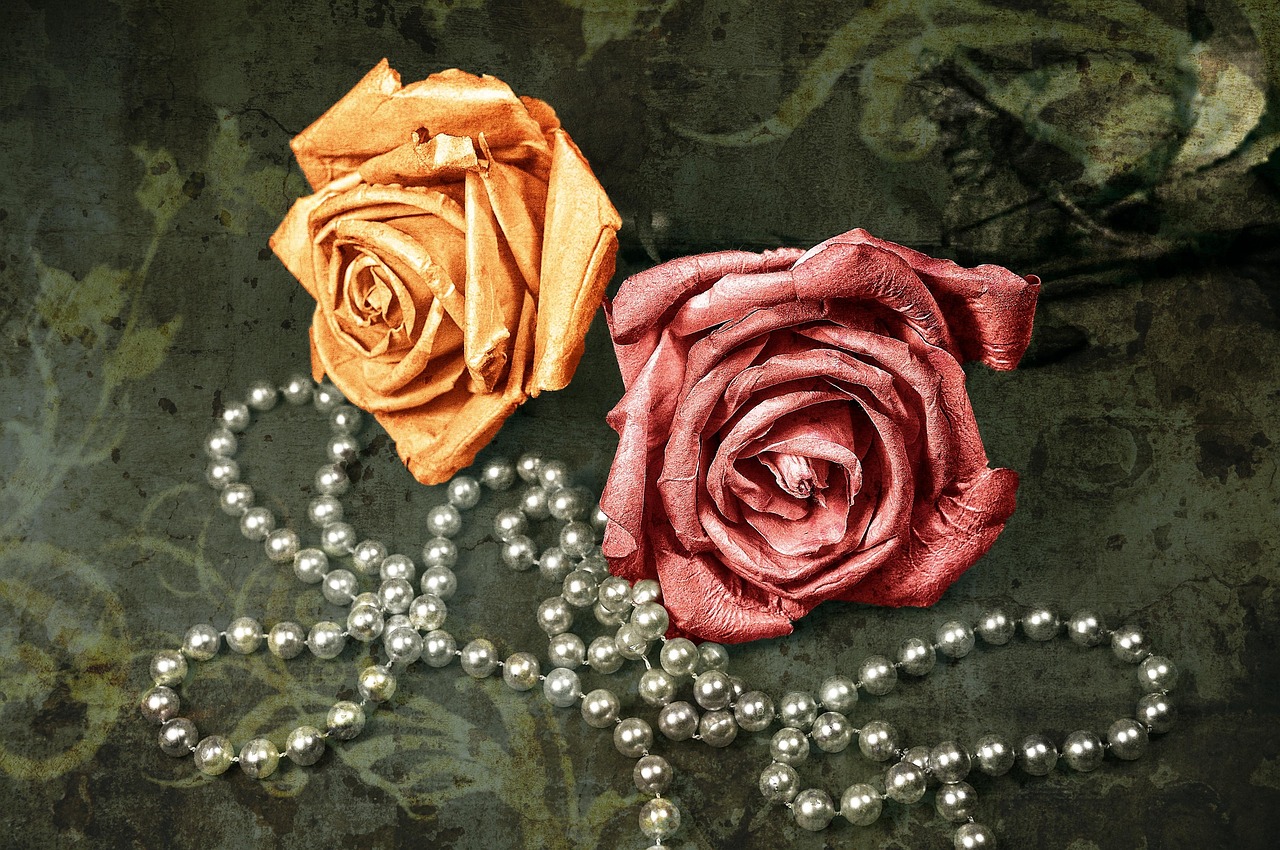
Customizing your paper roses to suit different occasions can make them more meaningful:
- Weddings: White or blush roses with soft green stems create an elegant, romantic vibe.
- Birthdays: Bright, bold colors add cheer and excitement.
- Valentine’s Day: Classic red roses convey love, while unique colors can represent friendship or admiration.
- Anniversaries: Personalized shades to match the recipient’s favorite colors.
How Long Does It Take to Make a Realistic Paper Rose?
Time depends on experience and detail level. Beginners may spend 30-60 minutes per rose, while more experienced crafters can create a beautiful rose in 15-20 minutes. Practicing the technique speeds up the process significantly.
Can You Reuse Paper Roses?
Yes. With proper care, paper roses can be reused for multiple events. Store them in a box away from moisture and sunlight to preserve their color and shape. Some crafters even keep large paper rose arrangements as permanent home decor.
Where to Find Inspiration for Realistic Paper Roses
If you’re looking for creative inspiration, try:
- Observing real roses in gardens or florists for color and shape ideas.
- Pinterest and Instagram for trending paper flower designs.
- Craft blogs and YouTube tutorials for innovative folding and shaping techniques.
- Visiting botanical illustrations for precise petal patterns.
Should You Try DIY Paper Roses With Kids?
Yes, but simplify the process. Use fewer petals and larger paper sizes, and skip hot glue in favor of kid-safe glue sticks. Teaching kids how to make paper flowers is a fun way to spark creativity while crafting together, making it a great bonding activity that also encourages patience and focus.
How to Incorporate Paper Roses Into Home Decor
Paper roses aren’t just for bouquets—they can enhance home interiors in many ways:
- Centerpieces: A cluster of paper roses in a decorative bowl adds charm to coffee or dining tables.
- Wall art: Mount roses on canvas or wooden frames for a unique wall piece.
- Garlands: String roses together for doorways, mantels, or windows.
- Mixed media projects: Combine paper roses with dried flowers, ribbons, or beads for texture.
What’s the Best Way to Learn Advanced Techniques?
Once you master basic paper roses, explore advanced methods:
- Sculpting petals with shaping tools for added dimension.
- Using layered colors and inks to replicate subtle natural shading.
- Creating hybrid roses by combining techniques from different paper types.
- Experimenting with twisted or crimped petals for a more organic feel.
Wrapping Up
Creating realistic paper roses is both an art and a science. It requires patience, attention to detail, and a willingness to experiment. By using the right materials, shaping petals carefully, and adding small creative twists, you can craft stunning paper roses that rival the real thing. Whether for gifts, home decor, or special occasions, paper roses are a lasting, versatile, and highly rewarding craft project.