
Have you ever scrolled through a folder of vacation pictures and felt nothing, even though the moment itself was unforgettable? The gap between what you experienced and what you captured often comes down to training your eye to notice real, unscripted moments rather than chasing posed perfection. Learning to see genuine emotion, light, and gesture as they happen is a skill anyone can build, and it pays off far beyond your camera roll. This article breaks down practical ways to sharpen that instinct so your photos start reflecting the life actually happening in front of you.
Notice Light Before You Notice the Scene
Most people react to a subject first and worry about light second, but flipping that order changes everything about how a photo feels. Soft, low-angle light in the early morning or evening wraps around faces and textures in a way that flat midday sun never will. Training yourself to scan a room or landscape for where the light is coming from, before you even decide what to photograph, builds an instinct that separates flat snapshots from images with depth.
Start by paying attention to shadows, since they tell you as much about a scene as the light itself. Notice how window light falls across a kitchen table in the morning or how streetlights create pools of warmth at dusk. Over time you will find yourself gravitating toward certain times of day simply because you know how the light will behave.
- Watch how light changes color and softness within a single hour outdoors
- Practice photographing the same spot at three different times of day
- Look for reflected light bouncing off walls, water, or pavement
- Pay attention to how shadows shape a face or object, not just the light
Watch for Genuine Emotion Instead of Posed Smiles
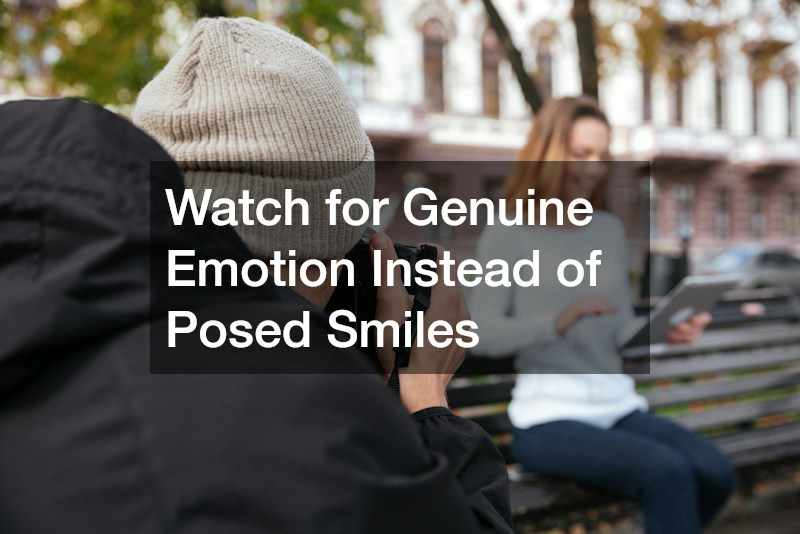
A forced smile rarely holds a viewer’s attention the way a real laugh or a quiet, thoughtful glance does. Genuine emotion tends to show up in small, fleeting details, like a hand gesture mid-sentence or a shift in posture right before someone speaks. Learning to anticipate these moments means watching people rather than directing them, which takes patience but produces far more honest results.
This is part of why many couples now specifically look for a wedding photographer who prioritizes candid coverage over stiff, formal lineups. Watching how a skilled documentary-style shooter works during a reception, hanging back and waiting for real interactions instead of constantly posing people, can teach you a lot about timing and restraint. The best lesson here is simple: put the camera down between shots and just observe, so you can recognize the split second worth capturing when it arrives.
Train Your Eye to Read a Room Quickly
Real moments unfold fast, and by the time you consciously decide to take a photo, the moment has often already passed. Developing the habit of quickly scanning a room for emotional dynamics, who is laughing, who is arguing, who is off in the corner, helps you predict where the next interesting moment will happen. This kind of situational awareness is less about camera settings and more about people-reading, which improves the more often you practice it in everyday settings.
- Identify the emotional center of a room, not just the physical center
- Keep your camera settings ready so you are not fumbling when a moment appears
- Position yourself near natural gathering points like doorways or food tables
- Watch peripheral action, since interesting moments often happen at the edges of a scene
Practice Composition Without Staging the Scene
Strong composition does not require rearranging furniture or asking people to move. Instead, train yourself to adjust your own position, crouching lower, stepping to the side, or waiting for someone to walk into an open space in the frame. This approach respects the authenticity of the moment while still giving you control over how the final image looks.
A useful exercise is to pick a single interesting background, like a busy market stall or a family kitchen, and simply wait there for a few minutes. People will naturally move through the frame, and your job becomes recognizing when the composition lines up rather than forcing it. This habit builds a much sharper sense of timing than staged photography ever will.
- Use doorways, windows, or furniture as natural framing elements
- Let subjects move through a fixed, well-composed background
- Change your own height and angle instead of repositioning people
- Leave space in the frame for movement or emotion to unfold
Review Your Photos to Spot Patterns in What Works
Looking back through your own work with a critical eye is one of the fastest ways to improve, yet most people skip this step entirely. Set aside time to go through recent photos and ask yourself which ones actually capture a feeling versus which ones are just technically fine. Patterns will emerge quickly, showing you whether you consistently miss focus, arrive a second too late, or gravitate toward certain lighting conditions that work well for your style.
Keep a simple log or folder of your favorite candid shots and study what they have in common, whether it is the distance from the subject, the time of day, or the emotional content itself. This kind of self-review turns random lucky shots into repeatable skills. It also helps you recognize your own creative preferences, which is the foundation of developing a distinct photographic style.
- Separate technically good photos from emotionally strong ones
- Note the time of day and light source in your favorite images
- Track how close or far you were when the best moments happened
- Revisit older photos periodically, since your eye for editing improves over time
Sharpening your eye for real, unscripted moments is less about equipment and more about attention, patience, and honest self-review. Start small by practicing one habit at a time, whether that is watching light, reading a room, or reviewing your own work with fresh eyes. The more you practice noticing life as it actually happens, the more naturally your camera will follow. Pick up your camera today with the intention of observing before shooting, and you will likely notice a difference by the end of the week.