Look at any painting, sketch, or sculpture that stops you in your tracks and you will usually find the same underlying skill at work: the artist knows how to see. Photography, more than almost any other visual art form, offers a clear window into how light, composition, and timing shape what we perceive as beautiful or meaningful. Whether you paint, draw, design, or simply want to enjoy art on a deeper level, studying great photographs can train your eye in ways that carry over into every visual discipline. This article breaks down exactly how that process works and where to start.
Reading Light and Shadow Like a Painter
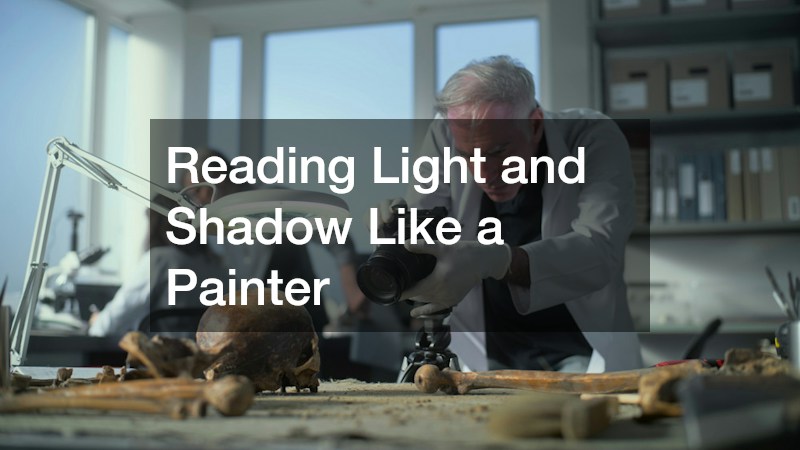
Photography is fundamentally a study of light, which makes it one of the fastest ways to train your eye to notice how illumination shapes mood and form. Painters have studied chiaroscuro for centuries, but a single photograph can show you in an instant how a shift in light direction changes the entire feel of a scene. When you look closely at a well-exposed image, you start noticing details you would otherwise miss, like how shadows fall softly on an overcast day versus how they carve hard edges under direct sun.
This kind of observation becomes a habit once you start doing it regularly. You begin noticing the same qualities of light in everyday life, from the way afternoon sun hits a coffee cup to how a streetlamp isolates a figure at night. That habit of noticing is exactly what separates a trained artistic eye from a casual glance.
- Notice whether light in an image is soft and diffused or harsh and directional
- Study where shadows fall and how they define shape and depth
- Compare the mood created by warm versus cool lighting
- Look for how highlights guide your attention within the frame
Understanding Composition and Framing Choices
Every strong photograph is built on deliberate choices about what to include and what to leave out, and learning to spot those choices sharpens your instincts as an artist in any medium. Concepts like the rule of thirds, leading lines, and negative space were not invented by photographers, but photography makes them easy to isolate and study because the frame is fixed the moment the shutter clicks. Once you start analyzing why a photographer placed a subject off-center or left large areas of empty space, you begin applying those same principles to your own work.
Framing also teaches restraint, which is a lesson many beginning artists struggle with. A photographer often has only a fraction of a second to decide what belongs in the shot, and studying that decision-making process helps you understand why simplicity often communicates more powerfully than clutter.
- Identify the main subject and how the composition draws the eye toward it
- Look for lines, whether architectural or natural, that guide the viewer’s gaze
- Notice how empty space is used to create balance or tension
- Ask what was deliberately excluded from the frame and why
Studying Color Theory Through the Camera Lens
Color photography offers a real-world laboratory for color theory that feels far less abstract than a textbook diagram. Observing how photographers use complementary colors to make a subject pop, or how a muted, monochromatic palette creates a calm and cohesive mood, gives you a practical vocabulary you can apply directly to painting, illustration, or design work. Because photographs capture real environments, they also show you how color behaves under different conditions, something that is harder to grasp from theory alone.
- Compare warm and cool color palettes and the emotions they evoke
- Notice how a single bold color against a neutral background creates focus
- Study how color temperature shifts between morning, midday, and evening light
- Observe how skin tones and natural elements are rendered under different lighting
Recognizing Timing and Decisive Moments
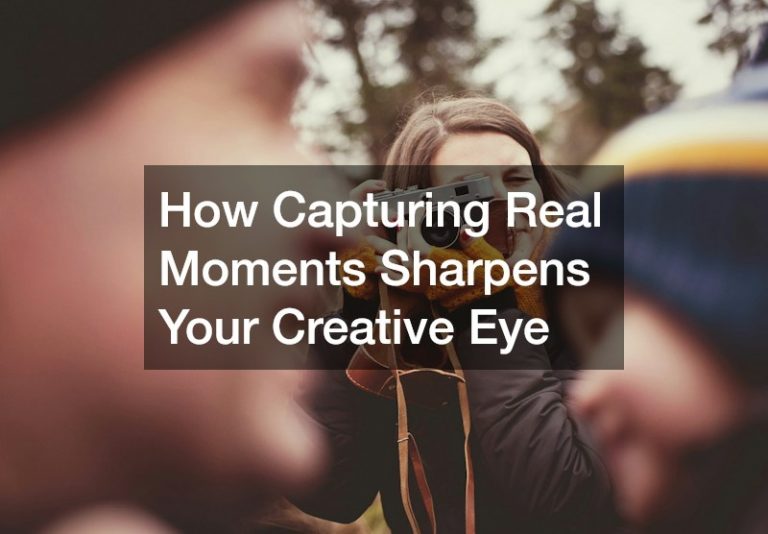
Some of the most celebrated photographs in history were captured in a fraction of a second, and learning to appreciate that timing builds an artist’s sense of narrative and emotion. A photograph that captures a fleeting expression or an unrepeatable moment teaches you to think about storytelling even in static, non-time-based art forms. This is part of why couples researching options for their big day often spend so much time trying to find the best wedding photographer, since capturing genuine, unscripted emotion requires a trained eye that most people never develop on their own.
Studying these decisive moments also teaches patience and anticipation, two qualities that benefit any artist. A painter working from reference photos, for example, can learn to choose images that carry real emotional weight rather than stiff, posed compositions, which ultimately makes their finished work feel more alive.
- Look for genuine expressions versus posed, stiff moments
- Notice how motion or gesture is frozen in a way that implies a larger story
- Study how the surrounding environment adds context to the main subject
- Consider what happened just before and after the moment was captured
Learning From Different Photographic Styles and Eras
Photography spans over a century of evolving styles, from early black and white documentary work to modern minimalist portraiture, and exposing yourself to this range broadens your artistic vocabulary considerably. Studying older photographs teaches you how limitations, like working only in black and white, forced photographers to rely more heavily on contrast, texture, and composition. Looking at contemporary work, on the other hand, shows you how digital tools and new techniques have expanded creative possibilities without replacing the fundamentals.
Comparing styles across decades also helps you understand that technical mastery alone does not make an image compelling. Many of the most influential photographs were technically simple but emotionally resonant, a reminder that skill should always serve the story rather than overshadow it.
- Study early documentary photography for lessons in contrast and texture
- Look at mid-century portraiture for lessons in lighting and posing
- Explore modern minimalist photography for lessons in restraint and simplicity
- Compare how the same subject might be photographed differently across eras
Training your eye through photography does not require a camera of your own or any formal art education, just a willingness to look closely and ask why an image works. Start by revisiting a few photographs you already love and picking apart their light, composition, color, and timing using the ideas above. The more deliberately you study great photography, the more naturally those same instincts will show up in your own creative work.